When we first started working with insects, we had more questions than answers. Could black soldier fly frass really make a difference in the field? Would it work across different crops and soil types? The short answer, after years of research and testing, is yes, it really does. But as always, we like to let the science and the soil speak for themselves.
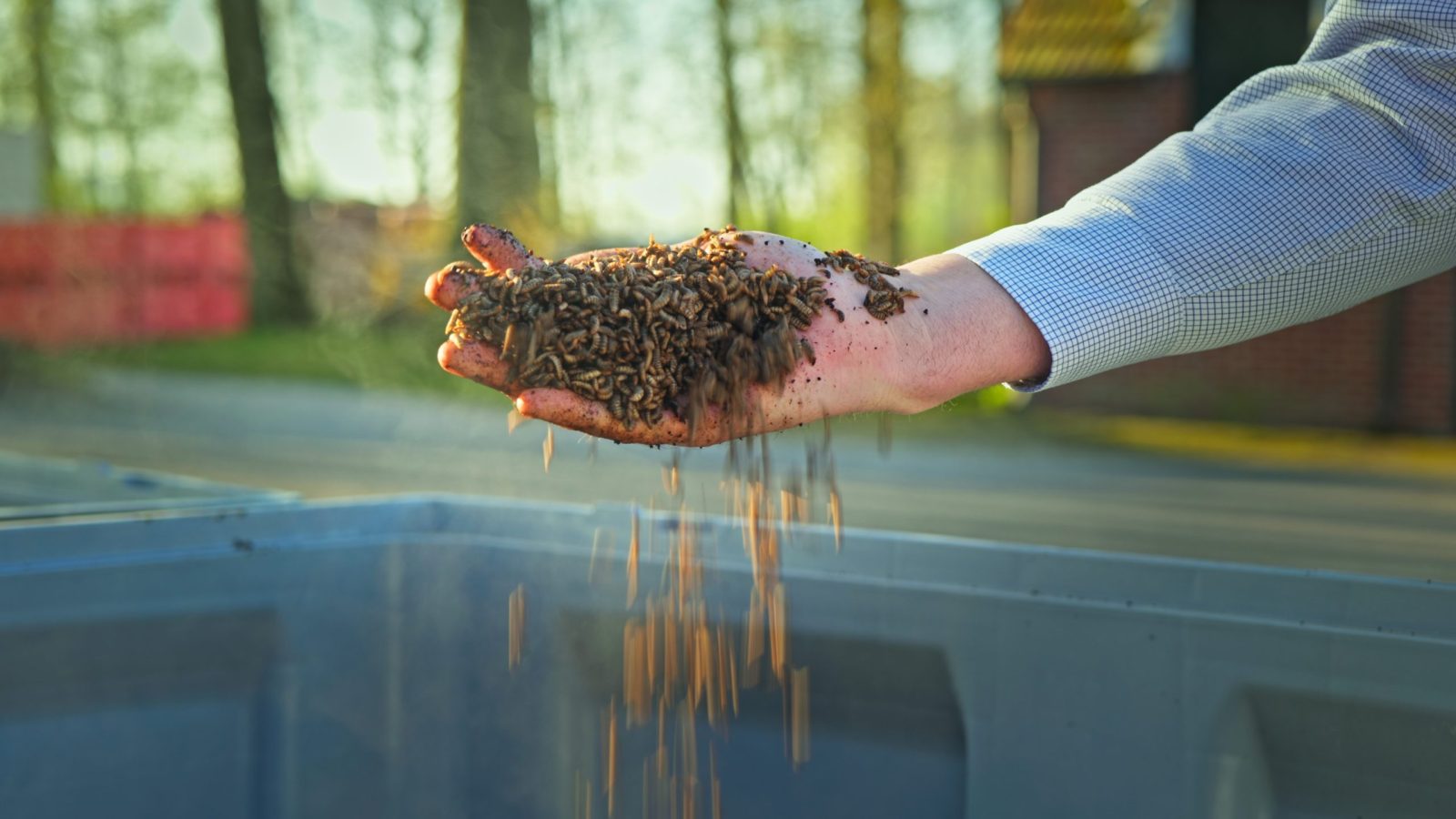
Frass, the by-product left behind by black soldier fly larvae, is full of nutrients like nitrogen, phosphorus, and potassium, but what makes it special is what you can’t always see. It contains a wealth of organic matter, beneficial microbes, and natural compounds like chitin, which can help plants strengthen their roots and boost their resilience against stress and disease. It’s not magic; it’s good biology at work.
At InsectBiotech.eu, we’ve been testing ResiliGrow on different crops and soils across Europe. Right now, trials are running on strawberries and blueberries, where we’re especially interested in how it supports root health and fruit quality. We’re also working with vineyards, studying how it helps improve soil structure and microbial activity in older, nutrient-depleted soils.
The results so far are encouraging. We see healthier soils that hold moisture better, richer microbial life, and plants that seem to cope more easily with environmental stress. But we’re not finished. Each test site brings its own climate, soil type, and challenges, and that’s exactly what we want to understand.
For us, ResiliGrow is part of a bigger journey: combining nature’s chemistry with real data from the field. It’s about proving, step by step, that insect-based solutions can make a meaningful difference to European agriculture, grounded in science, guided by farmers, and tested where it truly matters: in the soil.